Crop-plan shortlist coaching
Translate hectares, rotation and harvest calendars into a tractor and implement shortlist with clear PTO and working-width ranges. Useful when growers compare utility tractors against higher-draft row-crop platforms.

Kuhn — A clearer path from crop plan to the right equipment
Friendly setup coaching
We walk farm owners and procurement managers through crop-plan inputs, PTO horsepower bands, tillage geometry and forage baler density so quotes start from shared facts—not guesswork.
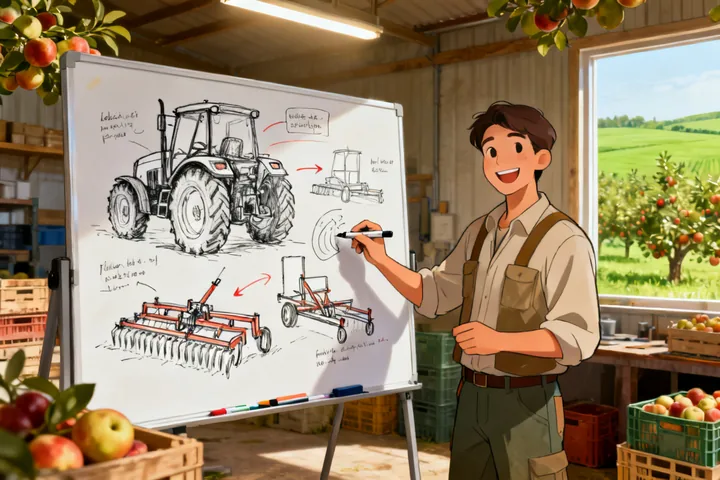
Translate hectares, rotation and harvest calendars into a tractor and implement shortlist with clear PTO and working-width ranges. Useful when growers compare utility tractors against higher-draft row-crop platforms.
Walk through ballast, tire pressure, 540/1000 rpm PTO settings and rotary tiller depth stops before the opening field day. Since 2021, teams leave with a signed checklist and photo notes for dealers.
Build kits for cultivator tines, plow shares, baler belts and mower conditioner knives with a 48-hour staging target ahead of peak weeks.
Align hay baler density settings with livestock feeding goals and grain moisture style checks so bales store safely without over-compacting soft forage.
Common grower questions
If clay soils push draft beyond tire and ballast capacity, we cut cultivator width before we inflate PTO horsepower on paper. A 7–9 m tool is not automatic.
When boom sprayer drift-control windows collide with tillage days, we reschedule commissioning rather than pretend both jobs fit the same afternoon.
Drip irrigation versus center pivot changes tractor headlands. Kuhn will flag the conflict instead of shortlisting implements that repeatedly cross fragile laterals.
Share your acres, soil class and must-finish dates. We return a shortlist with PTO bands, implement options and parts staging notes you can take to a dealer.