
Kuhn — A clearer path from crop plan to the right equipment
Kuhn — A clearer path from crop plan to the right equipment
Our story
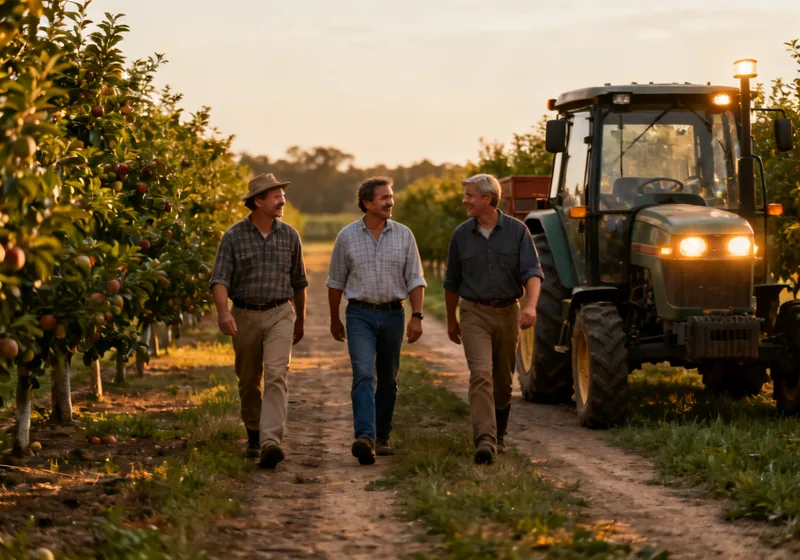
We started by sitting on pickup tailgates, listening to growers explain why last season’s cultivator felt undersized and why hay baler density drifted between cuts. That habit still shapes every Kuhn shortlist.
When our founder, Mara Kuhn, sat with a mixed livestock farm to rewrite its tractor RFQ in 2014, the original sheet listed brand slogans without acres. She replaced them with soil class, plow draft notes and a forage harvester calendar. The dealer quote that followed matched the farm’s weather windows within one planting season.
That session became the Kuhn method: capture crop-plan facts before mapping PTO horsepower, implement geometry and parts staging. We still refuse to recommend a rotary tiller without asking about drip tape and bed height, or a round baler without asking about livestock ration moisture targets.
“If a grower cannot explain the shortlist to a neighbor in two minutes, we have not finished coaching.” — Mara Kuhn, founder
Today Kuhn advisors support farm owners, agribusiness procurement managers and equipment dealers who need a shared vocabulary. We document ISO 9001 process habits, CE marking paths for export packages and GLOBALG.A.P. touchpoints when irrigation or crop-protection workflows join the machinery plan. Field notes from 2022–2025 open days still feed the Farm Setup Guide checkpoints.
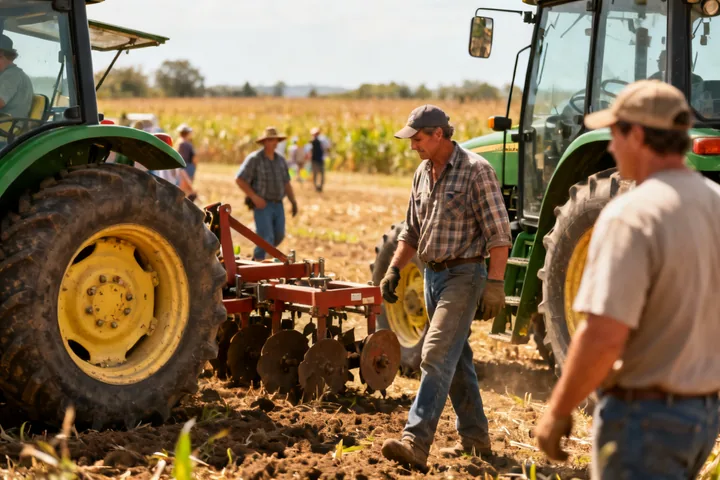
Each season Kuhn hosts open field days where growers walk plow, cultivator and baler demos with printed selection sheets. We publish anonymized draft-load notes so neighboring farms can compare soil classes without marketing fog.
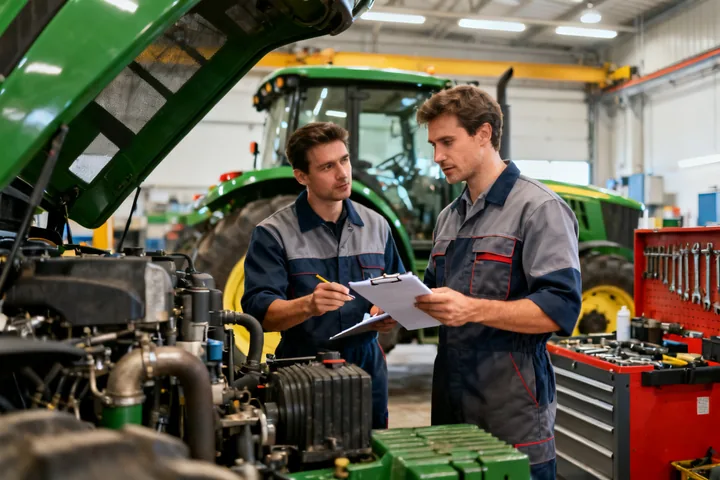
We train dealer teams on commissioning checklists, spray drift control context for tractor transport, and 48-hour wear-part staging. Community impact shows up as fewer planting-week surprises and clearer RFQs for procurement managers.
Because Kuhn does not publish fabricated testimonials, we share measurable coaching artifacts instead: 18 crop-plan checkpoints in the Farm Setup Guide, PTO bands from 45–400 hp, ISO 9001 and CE documentation paths for export packages, and 48-hour wear-part staging targets. In 2023 field days we logged rotary tiller depth stops and plow draft notes across loam and clay plots so advisors can compare soil classes with growers.
Limits stay visible: we will not recommend a rotary tiller as a deep residue-burial substitute, and we will not lock hay baler density when forage moisture probes still read unsafe for storage.
Tell us about your farm context. We will introduce the advisor who matches your crop plan and machinery questions most closely.