Guided industry cards

Kuhn Industry Paths for Real Farm Contexts

Pick the farm context that matches your crop plan. Each card explains tractor and implement trade-offs with measurable selection cues—PTO horsepower, tillage width, forage density and irrigation geometry.

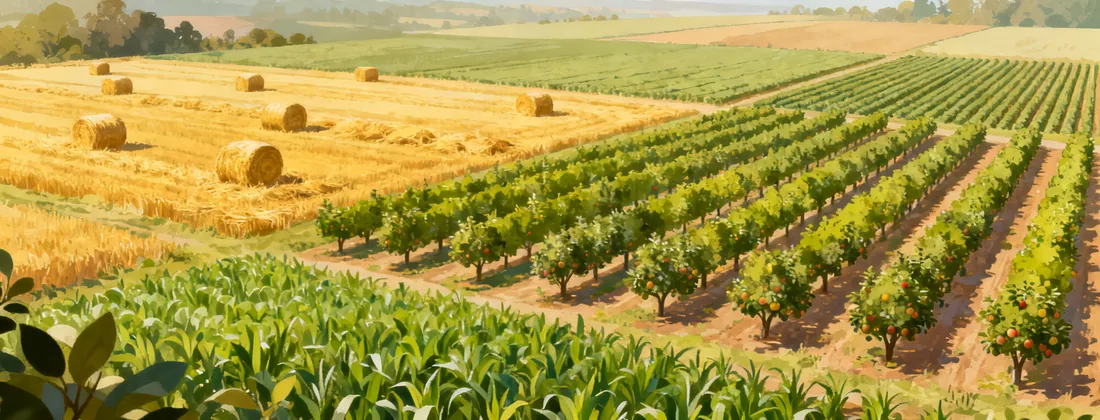
Illustrated map of row crop forage and orchard farm types
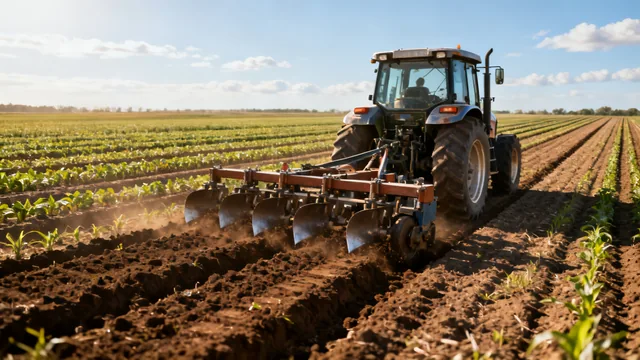
Row-crop tractor with plow

Row-Crop Grain & Oilseed Farms

Large rectangular fields reward tractors that hold draft under plow and chisel loads, then finish with a field cultivator before planting. Kuhn coaches log soil class, target hectares per day and boom sprayer transport clearances so ballast and tire choices stay coherent.

  • PTO coaching band often 120–400 hp depending on width
  • Watch spray drift control windows when relocating sprayers
  • Grain moisture sampling informs harvest tractor scheduling
Ask about row-crop setups
Hay baler and mower conditioner in forage field

Forage, Hay & Livestock Feed

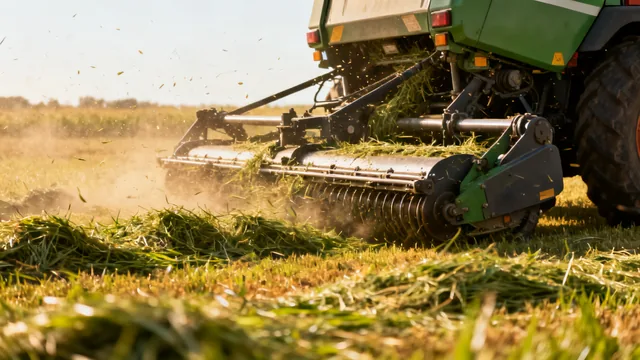
Forage harvester calendars and round baler density targets decide whether a mid-utility tractor or a higher-draft platform pays back. Kuhn sessions compare bale density settings against livestock ration moisture and storage barn constraints.

  • Mower conditioner timing linked to weather windows
  • Bale density targets by cut and species
  • Parts kits for knives, belts and pickup tines
Ask about forage setups
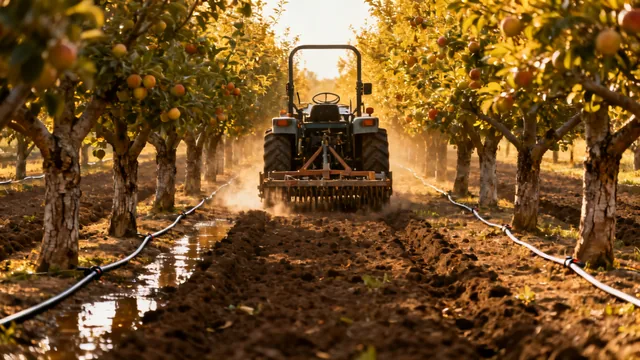
Orchard tractor cultivating between trees

Orchard & Specialty Cultivation

Narrow alleys need compact tractor geometry that protects drip tape and root zones. Rotary tiller depth and shield choices matter as much as horsepower. Kuhn advisors also note shade screen and fertigation schedules when equipment traffic must coexist with irrigation laterals.

  • Compact PTO bands with tight turning radius
  • Low-disturbance cultivators near drip lines
  • Commissioning photos for alley width clearance
Ask about orchard setups
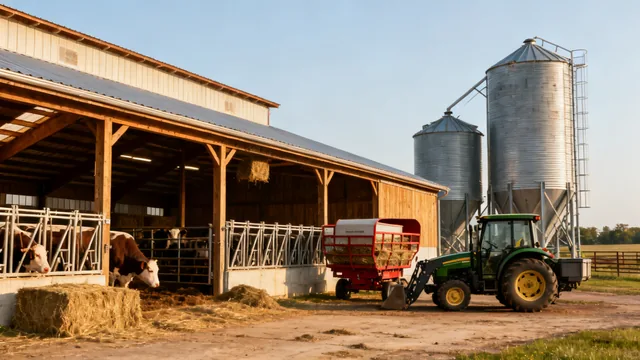
Mixed farm with livestock housing and forage equipment

Mixed Livestock & Diversified Farms

When animal welfare housing plans share labor with field work, Kuhn builds dual-purpose shortlists: loader-ready utility tractors for yard tasks plus tillage tools sized for smaller parcels. We surface the dispute between drip irrigation efficiency and center pivot labor savings when water systems expand alongside machinery.

  • Utility tractor loader class for yard chores
  • Smaller cultivators for fragmented fields
  • Shared parts staging with dairy or beef seasons
Ask about mixed-farm setups

Selector guide

Tick the conditions that match your crop plan

This interactive checklist helps Kuhn advisors prep before your call. It does not replace a full Farm Setup Guide session.

Tick the field conditions that match your crop plan to refine the shortlist.

Method comparison

Drip irrigation vs center pivot — how the water path changes the Kuhn shortlist

When growers expand water systems alongside tractors and tillage tools, Kuhn records both sides before locking implement geometry.

Drip irrigation case

Highest water-use efficiency for orchards and many row crops. Laterals force compact tractor paths, low-disturbance cultivators and rotary tiller depth stops that protect emitters. Labor for flushing and repairs rises; working widths often stay narrower than broadacre norms.

Center pivot case

Lower labor intensity on large circular or rectangular fields. Pivot towers and wheel tracks reshape headlands, so plow and field cultivator packages must leave clear travel lanes. Throughput favors wider tools when draft and ballast allow—yet Kuhn will not ignore tower collisions when quoting 7–9 m widths.

Selection limits Kuhn will not hide

Soil & draft ceiling

On heavy clay, a 7–9 m field cultivator may need a higher PTO band than sandy loam at the same width. If draft logs exceed tire and ballast capacity, we cut width before we push horsepower marketing.

Forage moisture window

Hay baler density targets fail when windrows stay above safe moisture. Kuhn will delay density coaching until grain moisture style checks or probe readings support storage.

Irrigation geometry conflict

Center pivot circles and drip tape laterals both change headland traffic. We will not shortlist a wide plow package that repeatedly crosses fragile drip lines without a traffic plan.

Need help choosing an industry path?

Send your acres, crops and constraints. Kuhn will reply with the industry card that fits and a starter tractor/implement shortlist.

Please enter your name.
Please enter a work email.
Please select one equipment need.
Please describe the farm need.
Please accept the privacy policy.